On this page
- ›Claude is three products pretending to be one
- ›Where Claude actually beats OpenClaw
- ›How OpenClaw and Claude Code differ as agents
- ›Where OpenClaw still wins (and probably always will)
- ›The privacy picture is more interesting than you’d think
- ›Stop comparing them. Combine them.
- ›What it actually costs to run OpenClaw on Claude
- ›The pick
- ›Where this is all heading
In the ChatGPT comparison, I said Claude sits somewhere in the middle between a self-hosted daemon and a cloud chat window. That was an oversimplification.
Claude is the hardest of the three to categorize. It’s not a background process like OpenClaw. But it’s not just a browser tab either. Anthropic has been shipping aggressively. A terminal coding tool. A desktop agent. An open protocol that plugs into everything.
And yet. Claude has started closing this gap. Cloud Routines now run with your laptop closed, and Channels can text you from a chat app. But only one path is truly host-free, and none is a standalone agent watching your inbox at 6am the way OpenClaw is.
The real question isn’t which one to pick. It’s whether combining them makes both better. (Spoiler: it does.)
Claude is three products pretending to be one
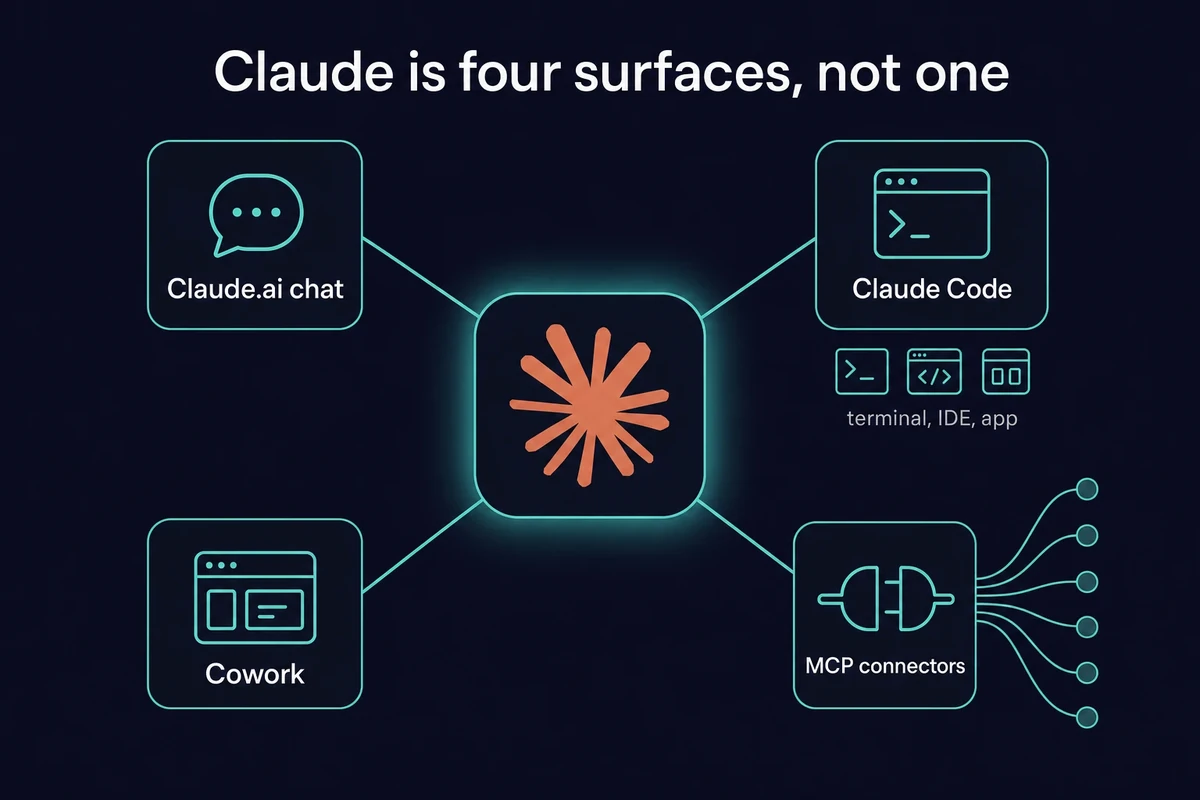
This is where the comparison gets messy. ChatGPT is one product. OpenClaw is one daemon. Claude? It’s a platform with four different surfaces. The core difference between Claude and OpenClaw is that one is a model you talk to, the other is a background agent that uses models.
Claude.ai is the chat interface. $20/month for Pro, $100-200 for Max. Conversations, document analysis, writing, image understanding. 200K context window on most models, 1M tokens in beta.
Session-based, same as ChatGPT. Close the tab, it’s done.
Claude Code is where things get interesting. A coding agent you can run from the terminal, an IDE, or the Claude app, that reads your entire codebase, runs commands, submits pull requests, executes tests. Full filesystem access on your machine.
Not sandboxed. Not session-based in the ChatGPT sense. It’s a real dev tool.
Cowork runs a lightweight VM on your desktop. It can create, edit, and delete files in folders you designate. Autonomous multi-step tasks without you hovering over it.
MCP (Model Context Protocol) is the connector layer. An open standard that hooks Claude into databases, APIs, Slack, GitHub, Google Drive. Think of it as USB-C for AI. Over 5,700 community-built servers and growing.
So when someone asks “how does Claude compare to OpenClaw?” the answer depends on which Claude you mean.
Where Claude actually beats OpenClaw
First, the obvious objection. The model is the brain, and the same brain drops into either path. Point OpenClaw at a Claude API key and you get Opus-level reasoning out of it too. So this isn’t “Claude out-thinks OpenClaw.”
OpenClaw is only as smart as the model you give it. Point it at Opus and it reasons like Opus. Point it at a small local Llama model and it’s only that smart. The model is the variable, not OpenClaw itself.
So when would you reach for Claude’s own products over a harness? The wins below are the ones that don’t transfer.
Enterprise compliance. You cannot replicate this by self-hosting. SOC 2 compliance. HIPAA eligibility. Zero-data-retention mode. Audit logging on Anthropic’s managed service. If you’re shipping inside a company, that paper trail matters in a way “it’s MIT licensed” never will. Stand up your own OpenClaw box and the compliance burden is yours.
Zero setup, fully managed. Claude.ai, Claude Code, and Cowork are ready the moment you log in: the newest Opus the day it ships, extended and adaptive thinking (new in Feb 2026) exposed in-product, no API keys to rotate, no infrastructure to babysit. Run OpenClaw instead and all that plumbing is yours.
The model is strong, either way. Opus 4.8 now reaches around 88.6% on SWE-bench Verified, up from Opus 4.6’s 80.8% (Opus 4.7 hit roughly 87.6% on the way). One caveat: the same model class drops to about 45.9% on SWE-bench Pro, the benchmark OpenAI now favors over Verified because of training-data contamination.
Context tells the same story: 200K tokens standard, 1M in beta, 500+ pages in one conversation. You get all of that whichever path you point at Opus.
How OpenClaw and Claude Code differ as agents
Claude Code is a coding agent that works inside your codebase, whether you run it from the terminal, an IDE, or the Claude app, and reads your repo. OpenClaw is a general always-on assistant that runs in the background and talks to your apps. People weighing OpenClaw vs Claude Code are choosing between a precise coding tool and a broad always-on agent, and the honest answer is they solve different jobs.
Claude Code gets full filesystem access and runs your tests, then opens a pull request when it’s done. OpenClaw routes everything through a model gateway and reaches out across your apps and messaging instead.
The “computer use” angle is the other half of what people are searching for. Claude’s computer-use mode drives a desktop by reading screenshots and clicking like a person would, while OpenClaw acts through tools and APIs rather than pixels on a screen. That vision-driven versus tool-driven split matters the moment something on screen moves and the screenshot reader loses its place.
Setup is the part most people underestimate. Claude Code is a 15 to 20 minute job: npm install, drop in an API key, go. OpenClaw wants Docker or a VM and runs anywhere from 30 to 60 minutes to a few hours depending on how much you wire up.
The first time I set OpenClaw up I lost an afternoon to messaging-bridge config alone, where Claude Code was answering prompts before lunch.
| Claude Code | OpenClaw | |
|---|---|---|
| Primary job | Coding agent | Multi-app assistant |
| Control model | Codebase + dev env | Tool / API gateway |
| Setup time | 15-20 min | 30-60 min to hours |
| Always-on | No | Yes |
| Messaging | Channels only | 15+ platforms |
When does each win? Claude Code for code-heavy precision work where it sits inside the repo. OpenClaw for breadth and always-on automation across messaging and files, especially if you are also running local models with OpenClaw to keep routine jobs cheap.
Where OpenClaw still wins (and probably always will)
Always-on body. The gap narrowed this spring, so here is what is left. Claude Code cloud Routines (preview, around April 2026) run on Anthropic’s infrastructure and keep working with your laptop closed. But they are capped (Pro gets 5 runs a day, Max 15), fire on a one-hour minimum interval, and each run is a fresh clone with no memory of the last. Scheduled batch work, not a process reacting to you.
Everything else needs a machine left on. Dispatch fires a task from your phone, but “your computer must be awake and the app must be open.” Remote Control steers a session from your phone, but stop the claude process and “the session ends.” OpenClaw just runs in the background forever, no host babysitting it.
And the always-on part isn’t theoretical. One engineer’s OpenClaw worked competing dealer quotes for days and landed a car $4,200 below sticker. Another cleared a 4,000-email backlog in two days. Neither happens on a tab you close at night.
Messaging. Fifteen-plus platforms, native. WhatsApp, Telegram, Slack, Discord, Signal, iMessage via BlueBubbles. You text OpenClaw like a friend, in the app you already use.
Claude is no longer at zero. Claude Code Channels shipped as a research preview on March 20, 2026, so you can message a running Claude Code session from a chat app. The gap narrowed, but it didn’t vanish. OpenClaw still covers more platforms (15+) and runs unattended, while Channels needs a live session behind it.
Anthropic’s own docs say it: “for an always-on setup you run Claude in a background process or persistent terminal.” Same breadth gap I covered in the ChatGPT comparison.
Model freedom. OpenClaw runs Claude, GPT, Gemini, local models through Ollama. Switch per conversation. Claude is Claude. One provider, one family of models.
Cost floor. OpenClaw’s software is free. Run a local model through Ollama for zero ongoing cost, or point it at a paid model and pay per use. Claude starts at $20/month for Pro just to have a conversation.
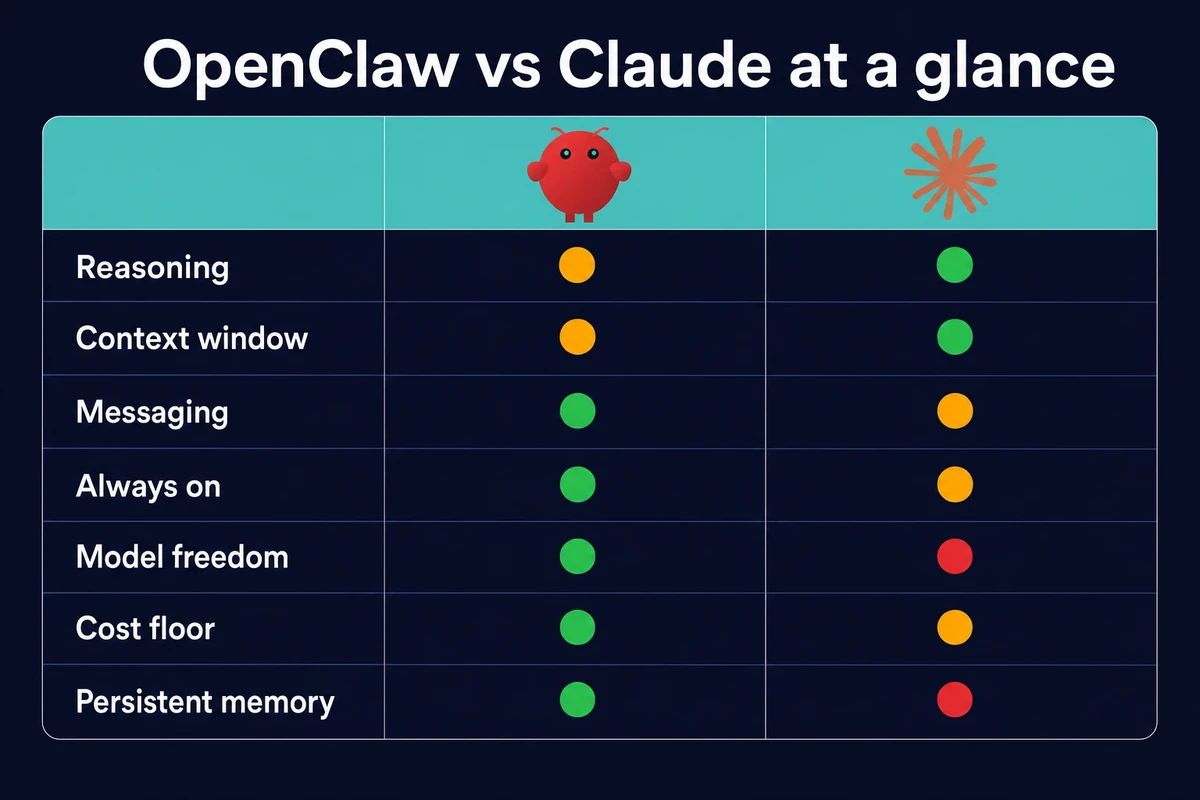
Persistent memory. OpenClaw remembers across sessions by design, building context over months of use. Claude’s memory resets between conversations, and cloud Routines don’t change that. Projects and knowledge bases help, but they’re not the same as an agent running for three months straight.
The privacy picture is more interesting than you’d think
I expected this section to be simple. OpenClaw = local, Claude = cloud, OpenClaw wins. Not quite.
Anthropic doesn’t train on commercial API data by default. Enterprise customers get zero-data-retention with instant log deletion after abuse checks. API logs are kept for 7 days (down from 30 in late 2025).
Consumer plan terms changed in September 2025 to an opt-in model for training data.
Compare that to the OpenClaw security situation I wrote about. 135,000 exposed instances, and the numbers underneath are worse than the headline: 63% of them ran with no authentication at all, and researchers found 21,000 credentials leaking in clear text. Local only stays private if you actually lock it down.
My read: Claude’s privacy posture is better than ChatGPT’s. Anthropic is more conservative with data by default.
But if privacy is your absolute top priority, nothing beats data that never leaves your hardware. That’s still OpenClaw’s territory, assuming you’ve done the work to lock it down.
Stop comparing them. Combine them.
This is the actual point of the article. The best setup isn’t one or the other.
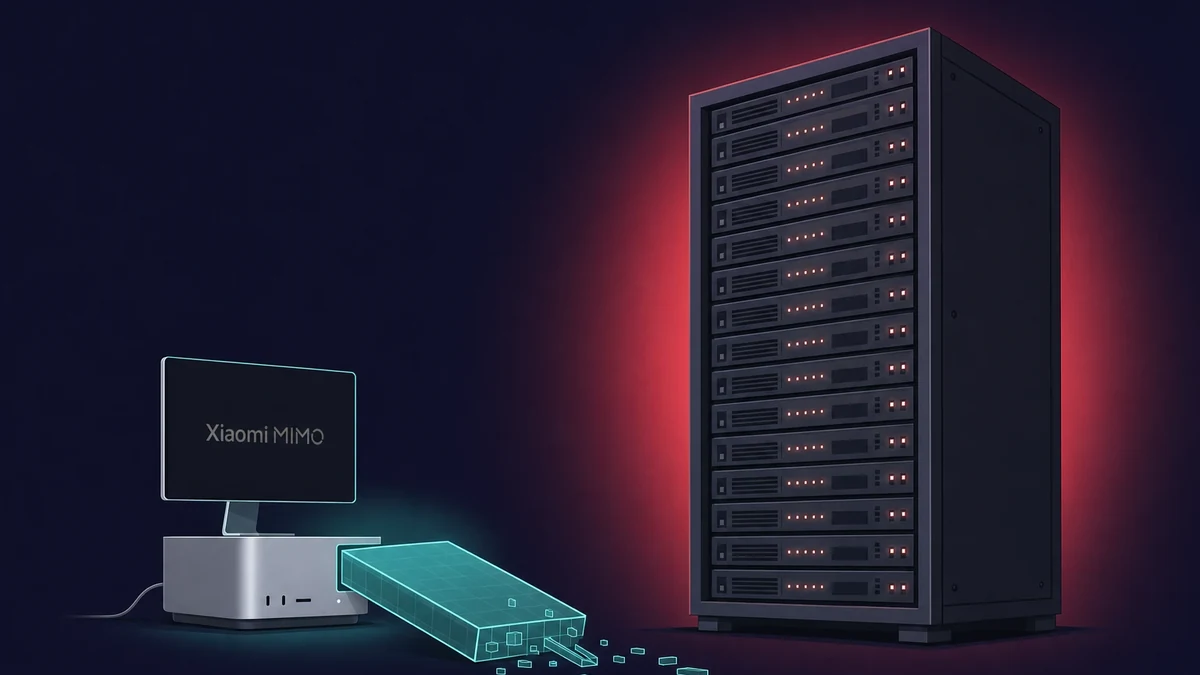
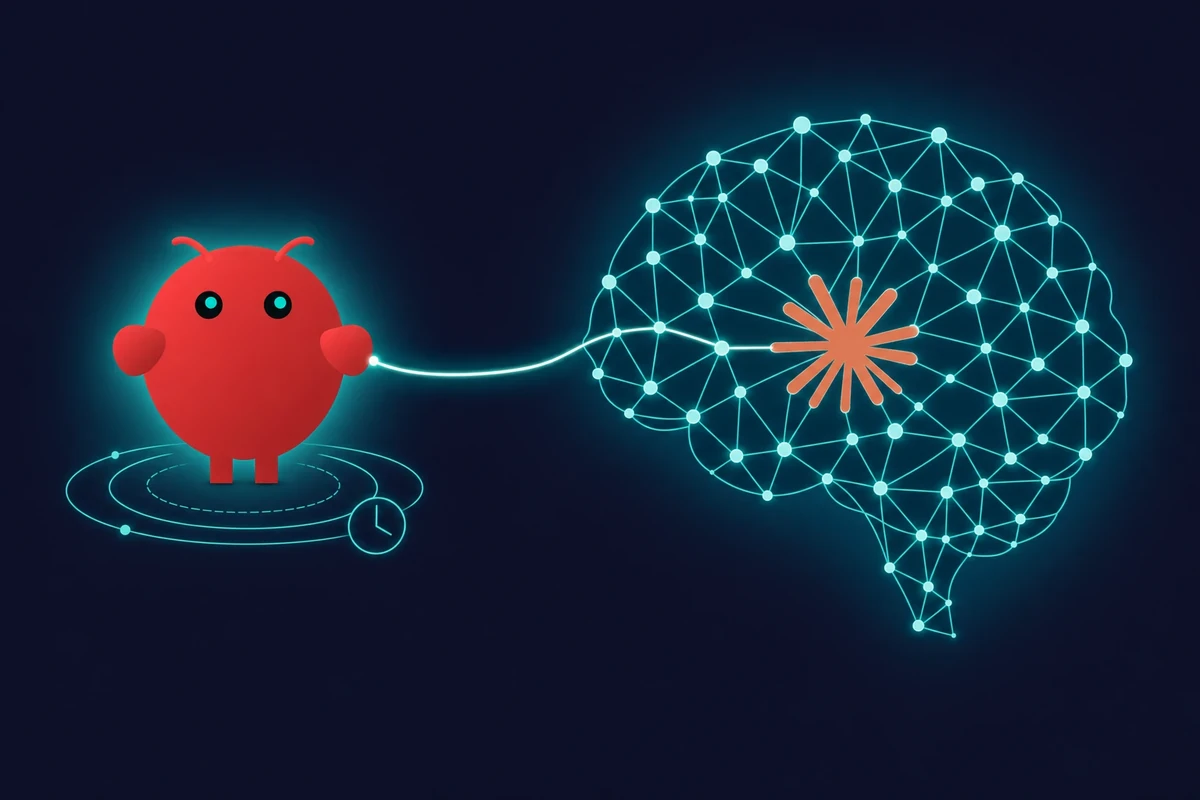
OpenClaw as the always-on body. Claude as the brain. You get messaging and persistent memory from OpenClaw, and Opus-level reasoning, 200K+ context windows, and strong coding from Claude.
One honest correction here. I wrote the original version of this section before April 2026, when you could connect a flat-rate Claude Pro or Max subscription and pay nothing extra. That path is gone.
Anthropic blocked flat-rate Pro and Max subscriptions from third-party agents like OpenClaw effective April 4, 2026, and people who relied on it saw their bills jump 10 to 50 times overnight. You now connect an API key and pay for usage instead.
The thesis still holds, the plumbing changed. You point OpenClaw at a Claude API key, and it rotates through auth profiles automatically. If one hits a rate limit, it falls back to the next. You can stack API keys and local models in a priority chain so the agent never stalls.
The difference from using Claude directly? Your API key now powers an agent that runs unattended, not a chat tab you close at night.
The always-on machine helps the Claude side too. Dispatch, Channels, and Remote Control all want a host that stays awake, so either path leans on a box that never sleeps.
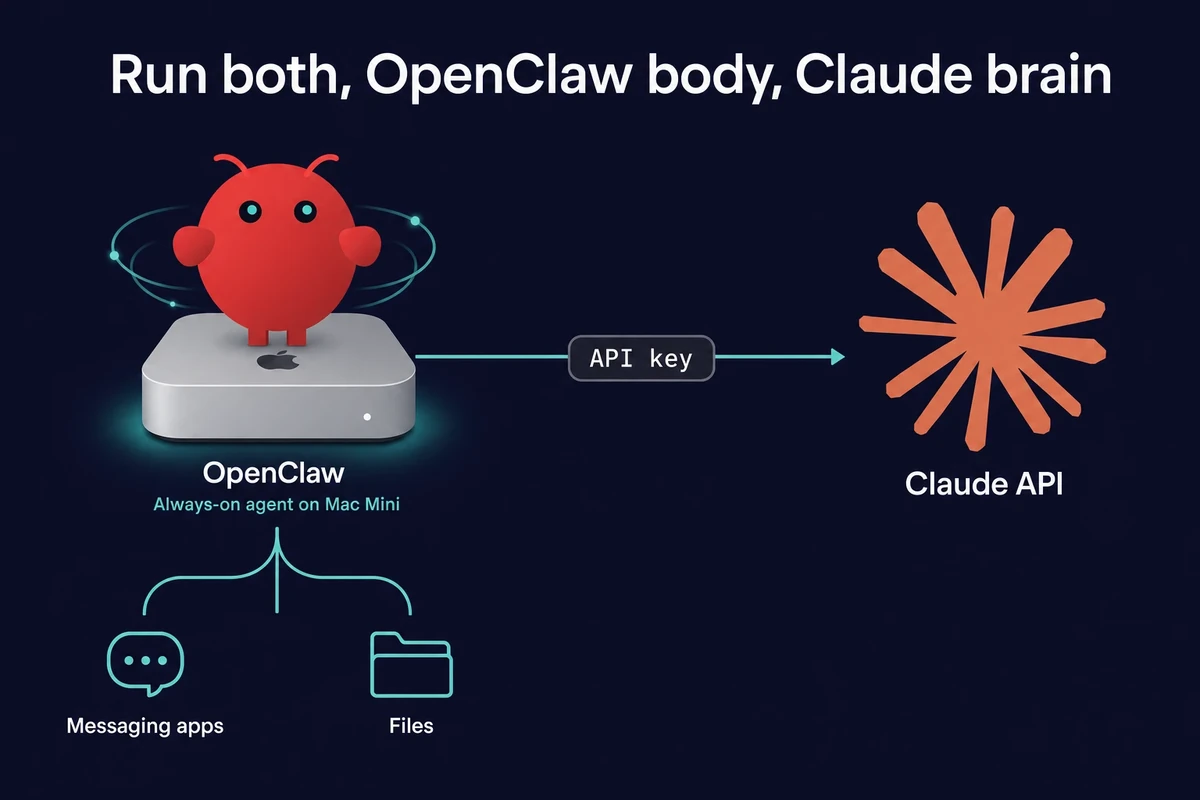
Don’t have a machine to run this on? Rent a dedicated M4 Mac Mini at rentamac.io. OpenClaw plus your Claude API key on bare metal, no upfront hardware cost. Full admin access, same as running it at home.
What it actually costs to run OpenClaw on Claude
Short answer: no, a $20/month Claude Pro plan is no longer enough to run OpenClaw. Since April 4, 2026 Anthropic blocks flat-rate Pro and Max subscriptions from agents like OpenClaw, so you connect an API key and pay per use instead. Most people land between a few dollars and a few tens of dollars a day.
Why the block happened: one always-on agent left uncapped can burn the equivalent of $1,000 to $5,000 a day in API usage, so flat-rate pricing never matched the actual load. That is also why affected users saw 10 to 50 times their old monthly outlay once they switched to metered billing.
In practice the daily numbers are far lower than that worst case. Routine feature work tends to run $5 to $15 a day. Large refactors or multi-agent workflows push into the $30 to $50 a day range.
The underlying token rates drive it: Sonnet is around $3 per million input tokens and $15 per million output, Opus runs $15 and $75. Route a cheap model for the routine background jobs and reserve Opus for the hard work, and the bill stays sane.
One aside while we’re on autonomy. Claude Cowork now runs scheduled tasks too, but it still stops when the desktop app closes, where OpenClaw keeps going headless.
The pick
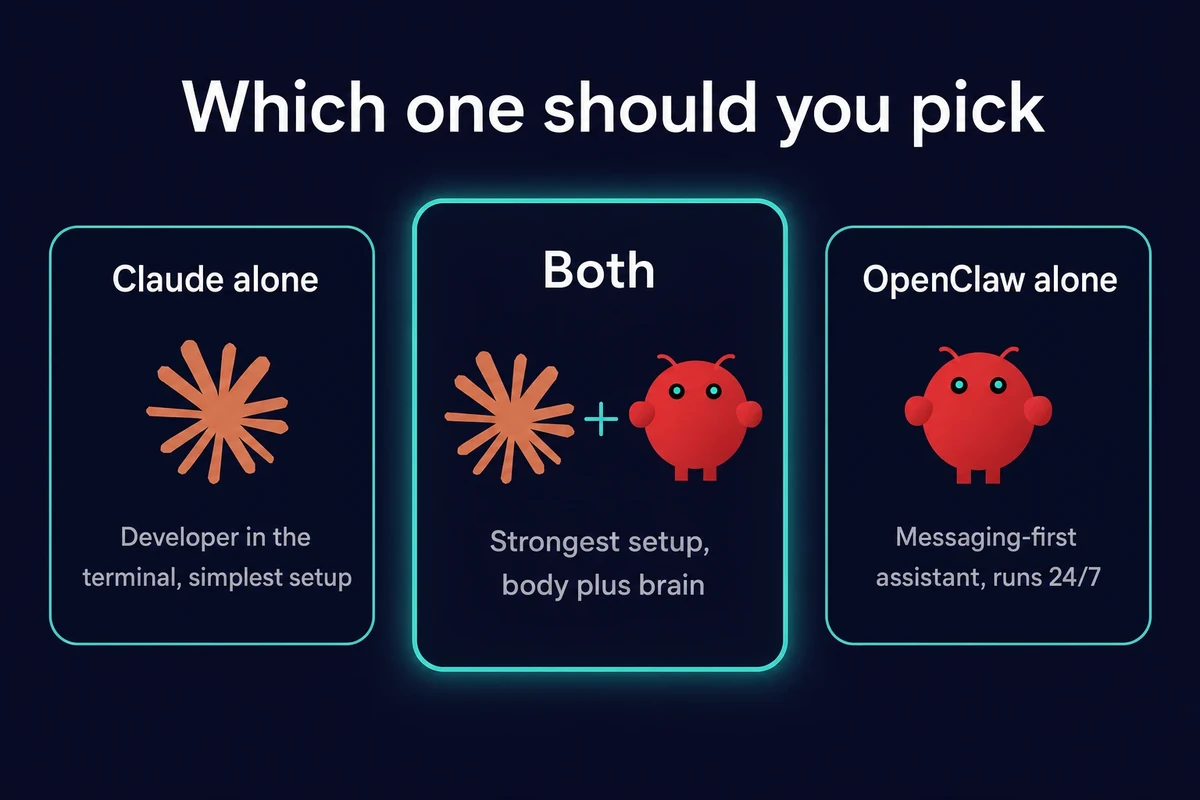
Claude alone if you’re a developer who lives in the terminal. Claude Code is excellent. If you need deep reasoning on long documents or you want the simplest possible setup, Claude.ai or Cowork will get you there with zero config.
OpenClaw alone if you want a messaging-first personal assistant that runs 24/7. You’ll pair it with whatever LLM fits the task. Cheap model for simple stuff, Claude or GPT when you need firepower.
Both if you want the strongest setup available right now. OpenClaw’s daemon architecture with Claude’s reasoning. This is what I actually run.
Where this is all heading
A year ago Claude was a chatbot. Now it has a CLI, a desktop agent that runs a VM on your machine, a protocol connecting to 5,700+ external tools, and a cloud lane for scheduled jobs. It still isn’t a standalone agent watching your messages. But it moves fast.
OpenClaw’s creator joined OpenAI. Anthropic is shipping computer-use capabilities. The line between “AI tool” and “AI agent” is blurring faster than any of us expected.
But today? You still need both pieces. The brain and the body. Claude and OpenClaw.
Previous: OpenClaw vs ChatGPT | Related: How to set up OpenClaw | How to secure OpenClaw